
Stop and Go Traffic Wears Brakes Faster Than People Expect
Heavy traffic through Lehi and the surrounding stretches of I-15 means near constant braking and accelerating, which puts far more wear on brake pads and rotors than a steady highway cruise would. Commuters who spend an hour or more each way in this kind of traffic often go through brake pads noticeably faster than someone with a shorter, less congested drive.
A few signs are worth paying attention to if your daily drive includes a lot of stop and go traffic.
- A squealing or grinding sound when braking
- A brake pedal that feels softer or needs to be pressed further down than usual
- Vibration through the pedal or steering wheel when slowing down
- Longer stopping distances than the car used to need
None of these should be treated as normal wear to just live with. A brake system that is working properly should feel consistent, not gradually softer over the course of a few months. Waiting too long on worn pads also risks damaging rotors, which turns a relatively affordable pad replacement into a more expensive rotor and pad job together.
Long Highway Miles Take a Toll on Tires and Alignment
Racking up significant highway mileage each week means tires wear down faster and unevenly if the alignment is even slightly off. A car that pulls gently to one side, or tires that show more wear on one edge than the other, often points to an alignment that has drifted out of spec, sometimes from something as simple as hitting a pothole during a construction detour.
Uneven tire wear does more than shorten tire life. It can also affect handling and stopping distance, which matters more on a highway commute where speeds are higher and reaction time is more limited. A quick alignment check every so often, especially after hitting a rough patch of road, can extend tire life significantly and keep handling predictable at highway speed. Rotating tires on a consistent schedule also helps even out wear across all four, which matters more for a car covering high weekly mileage than one driven only occasionally.
Engine and Transmission Strain From High Weekly Mileage
Commuters logging a lot of highway miles each week put engines and transmissions through more total wear than someone driving mostly around town, even if the type of driving is generally easier on a car mile for mile. Oil breaks down over time and mileage regardless of driving style, and a car covering unusually high weekly distances can reach its next oil change interval much faster than the calendar suggests.
Transmission fluid follows a similar pattern. High mileage commuting, especially through stretches of stop and go traffic mixed with sustained highway speed, puts more heat and strain on transmission components than a shorter, lower mileage commute would. A transmission that shifts hard, hesitates, or slips slightly under acceleration is worth having checked sooner rather than later, since transmission repairs tend to be significantly more expensive the longer a problem goes unaddressed. Fluid that looks dark or smells burnt during a routine check is another early clue worth mentioning to a technician, since fresh transmission fluid should look clean and have little odor.
Why a Checkup Timed to Your Commute Makes Sense
A car driven primarily for a long daily commute does not always fit neatly into the mileage intervals printed in an owner’s manual, since those intervals often assume a more typical mix of driving. Commuters logging significant weekly highway miles usually benefit from more frequent checkups than the standard schedule suggests, simply because the car is accumulating wear faster than average.
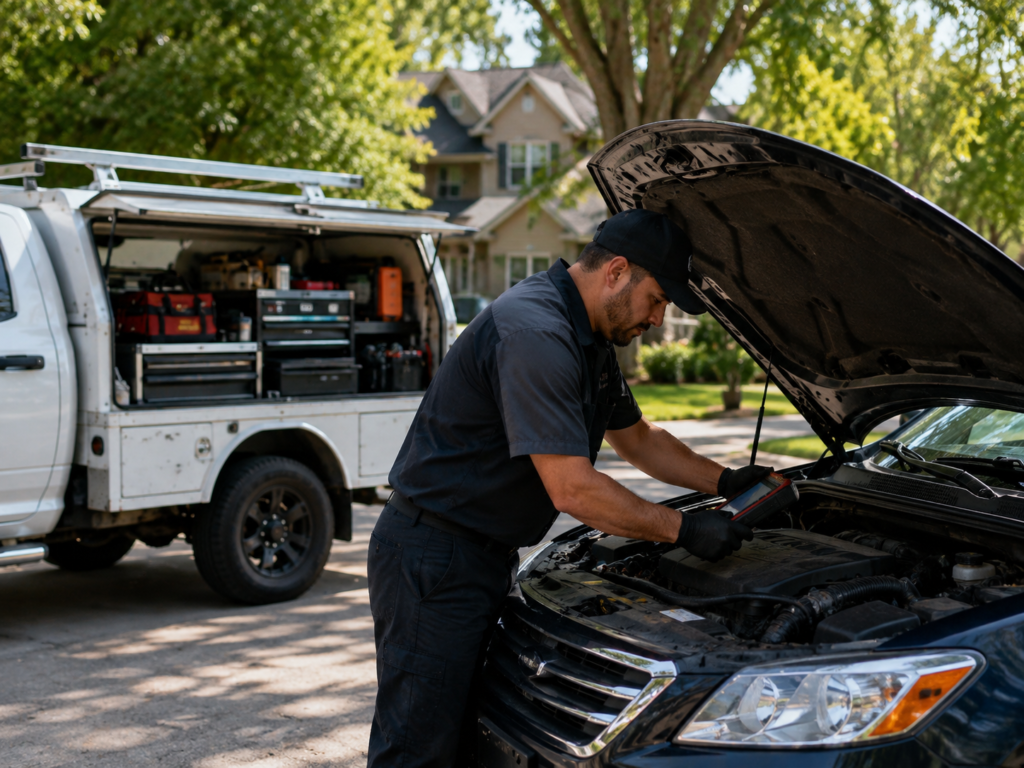
This is one of the areas where a mobile mechanic in Lehi can fit more easily into a commuter’s schedule than a traditional shop visit. Rather than losing a weekend morning to a shop appointment, a technician can come to a driveway or office parking lot on a day off or before an early shift, check brakes, tires, alignment, and fluid levels, and catch small issues before they turn into a breakdown on I-15 during rush hour.
A Simple Checklist for Frequent I-15 Commuters
A few checks are worth building into a regular routine for anyone spending significant time on I-15 each week.
- Have brake pads inspected more often than the standard interval if your commute involves heavy traffic
- Check tire wear patterns for signs of an alignment issue
- Track oil changes by mileage rather than by the calendar if weekly miles are high
- Pay attention to any new shifting hesitation or slipping and have it checked promptly
The Bottom Line
A long daily commute along I-15 puts a car through more wear than the average owner’s manual schedule accounts for, particularly on brakes, tires, and transmission components. Catching the early signs, a softer brake pedal, uneven tire wear, a hesitant shift, means the difference between a routine checkup and a much bigger repair down the road.
If your commute has felt a little rougher lately, visit the Mobile Mechanic Lehi to see the full range of services offered, or head to the contact us page to schedule an on site checkup before your next drive on I-15.